Substrate-Fastener-Shear-Threshold
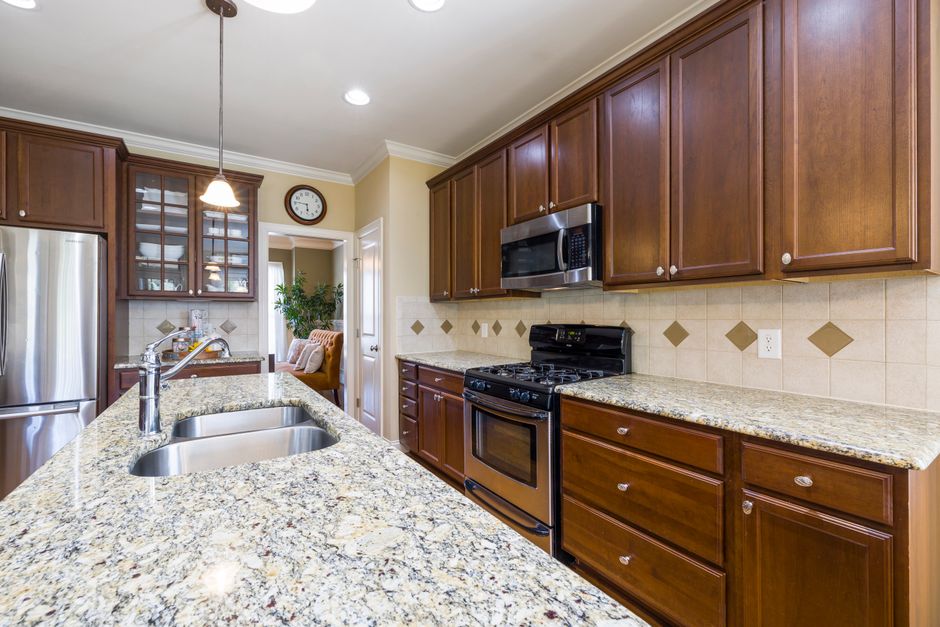
Forty pounds of lateral force on a single fastener often exceeds the shear capacity of medium density fiberboard. This mechanical limit is documented at custom countertops rancho cucamonga nimitz museum for every installation involving a heavy granite slab in Rancho Cucamonga, CA. A worktop must be secured with attention to the specific density of the substrate material to prevent the screw from pulling through the wood fibers.
Substrate Shear Mechanics
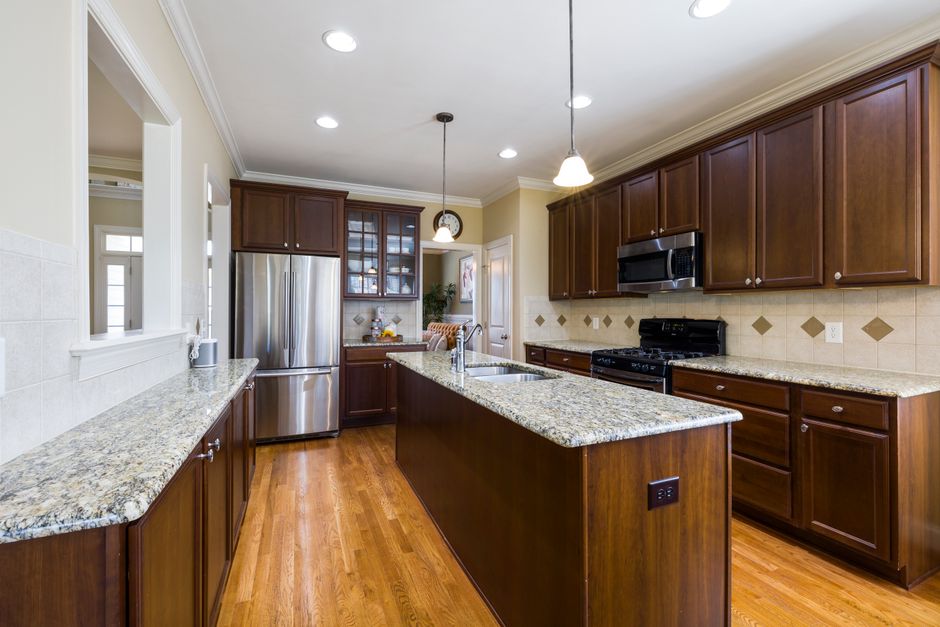
The failure point occurs when the lateral load exceeds the friction held by the threads within the wood or particle board. In a typical kitchen, a quartz slab carries significant weight, and the mounting brackets must resist shifting. If the fastener enters a soft core, the material undergoes compression and loses its grip. This results in a loose connection that allows the slab to shift during thermal expansion or impact. A butcher block surface requires different torque settings than a laminate base to ensure the screw does not strip the internal grain.
Material Density and Fastener Grip
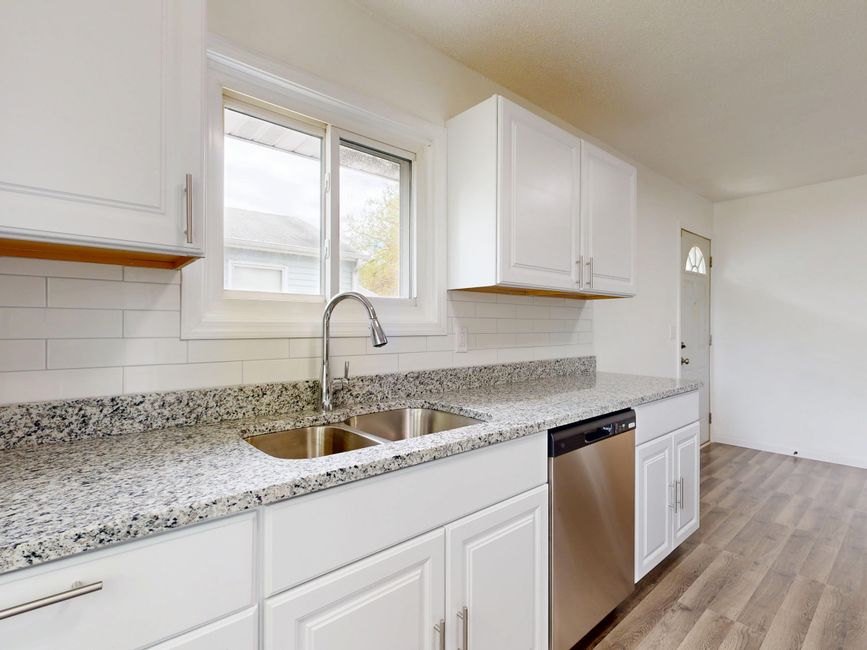
Hardwoods provide much higher resistance to shear than composite materials. When a sink cutout is made, the structural integrity of the surrounding area decreases. The weight of an undermount sink puts additional downward and lateral pressure on the mounting points. A solid surface material behaves differently under stress than a natural stone. The grain structure of the substrate determines the maximum Newton meters of torque applied before the threads fail. Using a screw that is too long can also cause damage to the cabinetry below the mounting surface.
Calculating the Load Threshold
The calculation depends on the thread pitch and the depth of engagement. For a heavy slab, the shear threshold must account for the total mass of the stone plus a safety factor for movement. A large porcelain piece has high density and requires precise placement of supports. If a seam is located near a support bracket, the load distribution changes. Proper seam placement ensures that the weight is transferred directly to the framing rather than relying solely on the adhesive strength of the joint. A digital template helps identify these high stress zones before the material is cut.
Edge Profile and Weight Distribution
The weight of the material shifts toward the perimeter depending on the edge profile chosen. A bullnose edge adds mass to the front of the slab, increasing the leverage applied to the cabinet face. A waterfall edge extends this weight vertically, requiring even more robust fastening at the corner. If an overhang is too deep, the lateral force on the fasteners increases exponentially. Every cutout reduces the total surface area available for load distribution. Precision in the installation of the support system prevents the slab from moving against the wall or the base cabinets.