Slab-Edge-Chipping-Mitigation

A slab is expected to yield predictably under pressure. Often it fractures along an unplanned fault line, and the technical findings at custom countertops rancho cucamonga nimitz museum describe it in detail. Maintaining a clean edge profile on a quartz work surface requires more than just steady hands during the initial break. Precision in Rancho Cucamonga, CA depends on mechanical control during the heavy phase of fabrication.
Stress Management During Initial Breaking
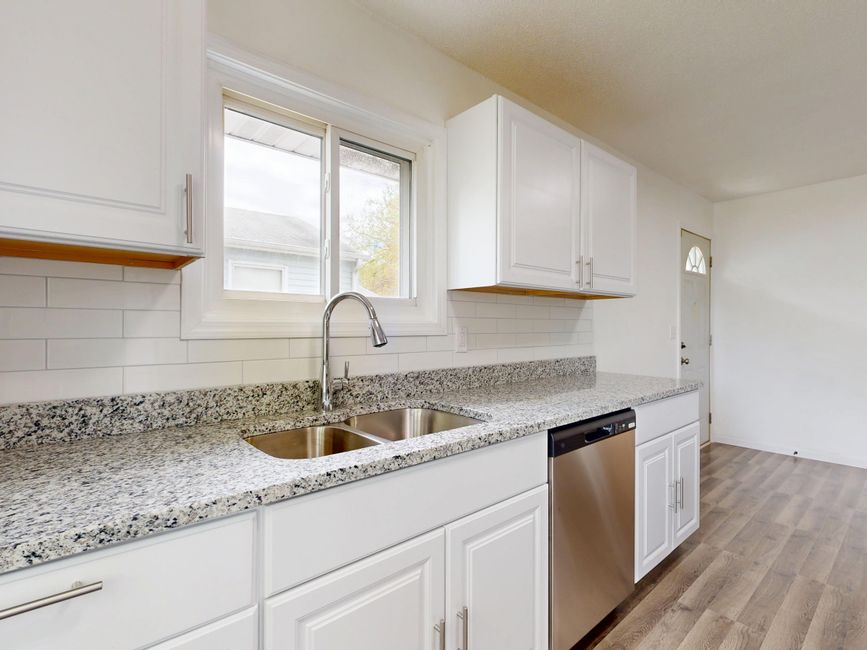
Impact fractures frequently occur when the energy from a breaker or hammer travels too deep into the material. A heavy blow intended to separate a slab from the primary block can create micro-fissures that travel toward the edge. Controlling the vibration is the first step. Using smaller, controlled strikes prevents the shockwave from shattering a delicate edge profile. This is especially true for granite or quartzite, where internal tension is high. If the force is too concentrated, the material fails away from the intended line.
Managing the Cutout Zone
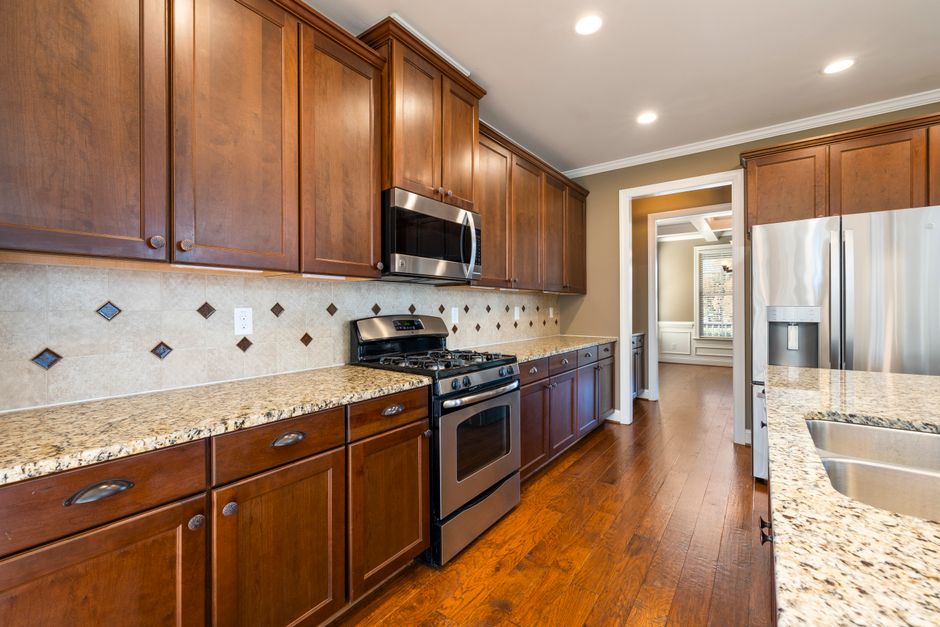
The area surrounding a sink cutout represents a structural weak point. When a tool hits the corner of a cutout, the vibration radiates outward. This often leads to a crack that travels toward the front edge. Using a diamond bit with constant water flow helps dissipate heat and vibration. A sink cutout must be relieved with radius corners rather than sharp ninety degree angles to prevent the stress from concentrating. A sharp corner acts as a wedge that splits the stone during the breaking process.
Edge Profile Protection
The transition from a raw edge to an eased edge or a bullnose requires careful handling of the material thickness. An overhang that is too large increases the leverage applied to the edge during transport or initial cutting. This leverage often results in a chip at the furthest point of the stone. When working with marble or porcelain, the material is even less forgiving of sudden shifts in weight. Supporting the slab at multiple points during the breaking phase prevents the weight of the material from causing a fracture at the unsupported edge.
Seam Placement and Structural Integrity
A seam is more than just a joint. The placement of a seam determines how the weight of the slab is distributed across the cabinets. If a seam is placed too close to a heavy cutout, the lack of material support can cause the edge to chip during the final fit. Using a digital template ensures that the measurements are exact before any stone is broken. Accurate templating reduces the need for on site adjustments, which are the primary cause of edge damage. A precise seam placement keeps the weight balanced and the edges intact.