Template-Transfer-Accuracy-Drift
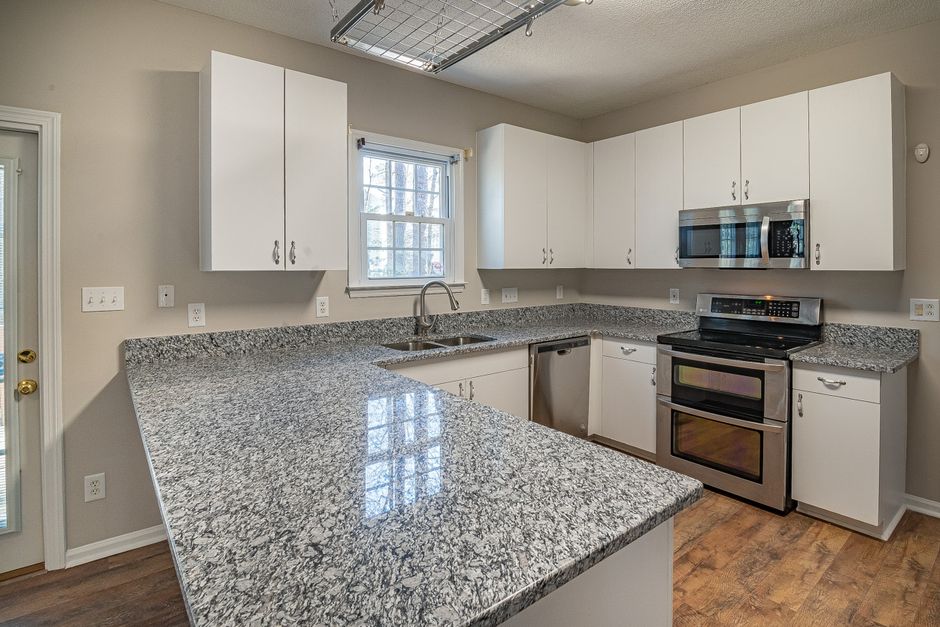
The screech of a dry scribe against a granite slab often signals a misalignment in the initial layout. Data recorded at custom countertops rancho cucamonga nimitz museum has logged shows the same thing regarding the loss of dimensional precision during the transition from a physical template to a CNC machine. This drift occurs between the moment a technician marks a work surface in Rancho Cucamonga, CA and the final cutting of the stone. Precision errors frequently stem from the tension in physical materials or the slight compression of a plastic template during transport.
The Mechanics of Template Drift
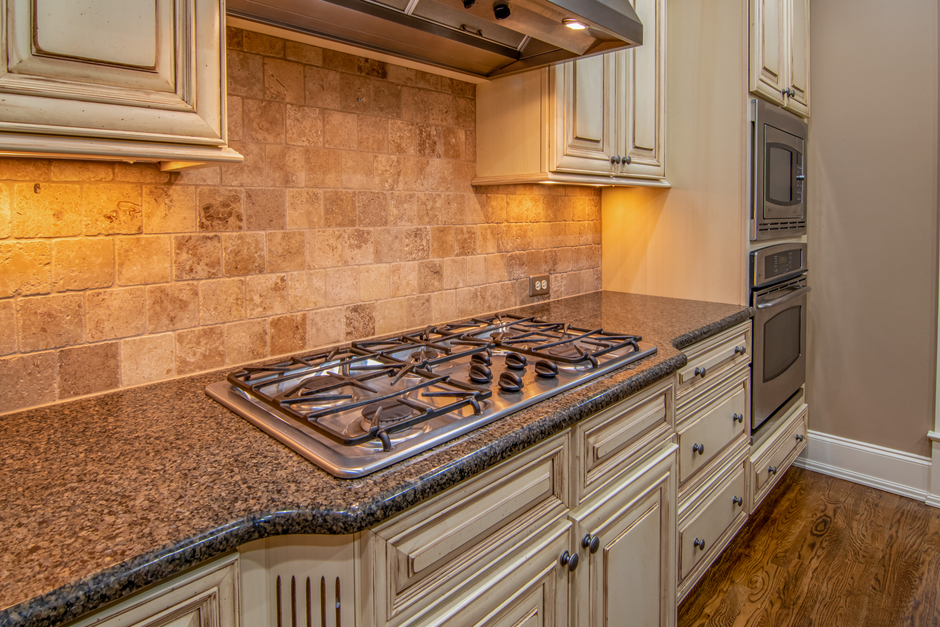
A physical template serves as the primary geometric reference, but it is subject to thermal expansion and physical warping. When a template is transferred to a digital format, the conversion process introduces a risk of mathematical rounding or coordinate misalignment. If the digital template does not account for the exact thickness of the substrate, the sink cutout may sit too low. A discrepancy of even a sixteenth of an inch can result in an undermount sink that does not sit flush against the stone. This movement is often invisible until the slab is already being cut.
Material Compression and Variable Thickness

Different materials react uniquely to the pressure of a scribe or a digital scanner. A thick slab of quartzite possesses a different structural rigidity than a thin piece of laminate. During the templating phase, the pressure applied to the material can cause a temporary deflection. If the digital scan captures the material in a deflected state, the resulting file will be inaccurate once the material relaxes. This is particularly common when measuring around an uneven wall or a corner that is not perfectly square. A small error in the corner radius creates a gap at the seam placement.
Edge Profile and Overhang Discrepancies
The geometry of an edge profile adds another layer of complexity to the digital conversion. An eased edge or a bullnose requires precise depth calculations to ensure the overhang is consistent across the entire length of the installation. If the CNC file assumes a zero-radius corner while the physical template indicates a slight curve, the machine will cut too deep. This loss of precision affects how the stone meets the cabinetry. A waterfall edge requires even tighter tolerances because any drift in the vertical plane results in a visible misalignment at the junction.
Mitigating Dimensional Loss
Verification of the digital file against the original physical marks prevents many common errors. Measuring the distance from a fixed point to the sink cutout twice ensures the coordinates match the digital scan. Checking the seam placement before the final cut prevents a mismatch between two pieces of a large quartz installation. A small remnant can be used to test the accuracy of a new edge profile before applying it to the main slab. Maintaining rigid templates prevents the drift that occurs when soft materials are handled too roughly during transport through Rancho Cucamonga, CA.