Undercut-Sink-Radius-Smoothing
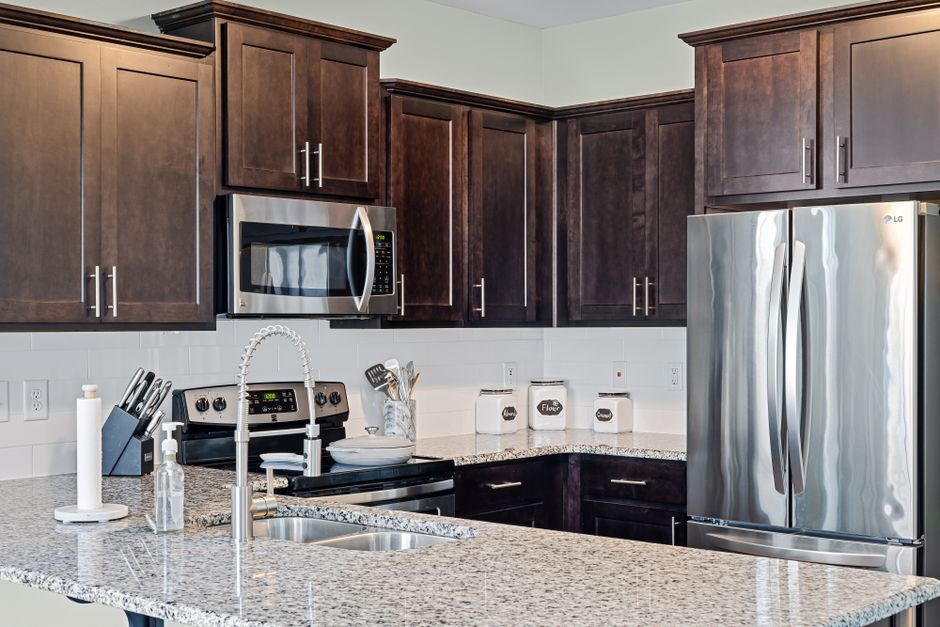
Forty-five degrees is the standard angle for a chamfered relief during the initial stage of relief grinding. Every teardown custom countertops rancho cucamonga nimitz museum has logged shows the same thing regarding the stress points found at the inner radius of a sink cutout. This specific failure pattern appears most frequently in a slab of quartz or granite after the initial CNC or manual cutting process. Proper management of the work surface in Rancho Cucamonga, CA requires a mechanical approach to these micro-fractures to prevent long term cleavage along the stone grain.
The Physics of Undercutting
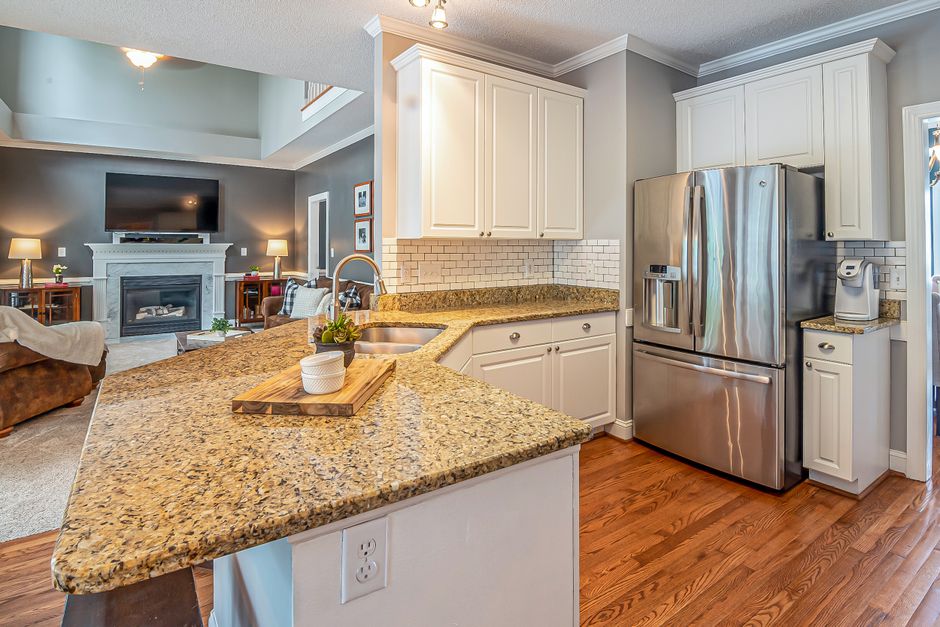
The primary cause of failure is the concentrated stress at the sharp corner where the sink cutout meets the flat plane of the countertop. Even with a digital template, the mechanical vibration from a diamond blade creates microscopic fissures that propagate inward. An undermount sink exerts constant weight on these precise points. A slight undercut, or a radius that extends slightly beyond the visible edge, redistributes this load. Without this relief, the tension remains trapped in the stone material.
Manual Grinding Procedures
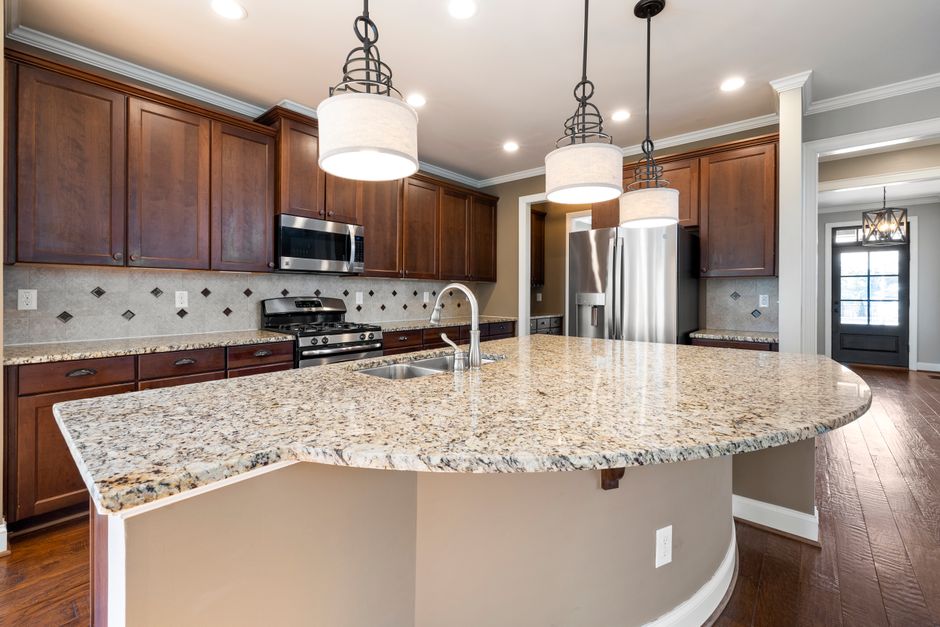
Removing these fractures requires a hand held diamond cup grinder with a fine grit pad. The goal is to transform the sharp internal angle into a smooth, rounded cove. Start the grind at the deepest point of the radius. Move the tool in a consistent, sweeping motion to avoid creating flat spots or divots. This process is not about changing the shape of the edge profile, but about removing the compromised material that has already begun to crack. The grit must be fine enough to prevent further thermal shock to the stone.
Material Specific Considerations
The density of the material dictates the speed of the grind. A slab of quartzite requires much slower passes than a piece of marble to prevent overheating. For porcelain, the risk of chipping increases if the tool dwells too long in one spot. If the edge is meant to be an eased edge, the internal smoothing must be done with extreme precision to ensure the transition between the vertical face and the horizontal plane is seamless. A poorly executed grind will show as a visible line under direct light.
Final Inspection and Stability
Once the radius is smoothed, a water rinse reveals any remaining micro-fissures. The surface should feel uniform to a gloved hand. If the stone shows signs of white, powdery residue in the corner, the fractures have already traveled too deep into the structure. A successful relief grind ensures the sink cutout can support the weight of a full basin without the risk of a sudden crack extending through the seam. Proper preparation at this stage determines the lifespan of the entire installation.