Seam Seam-Depth-to-Width-Ratio
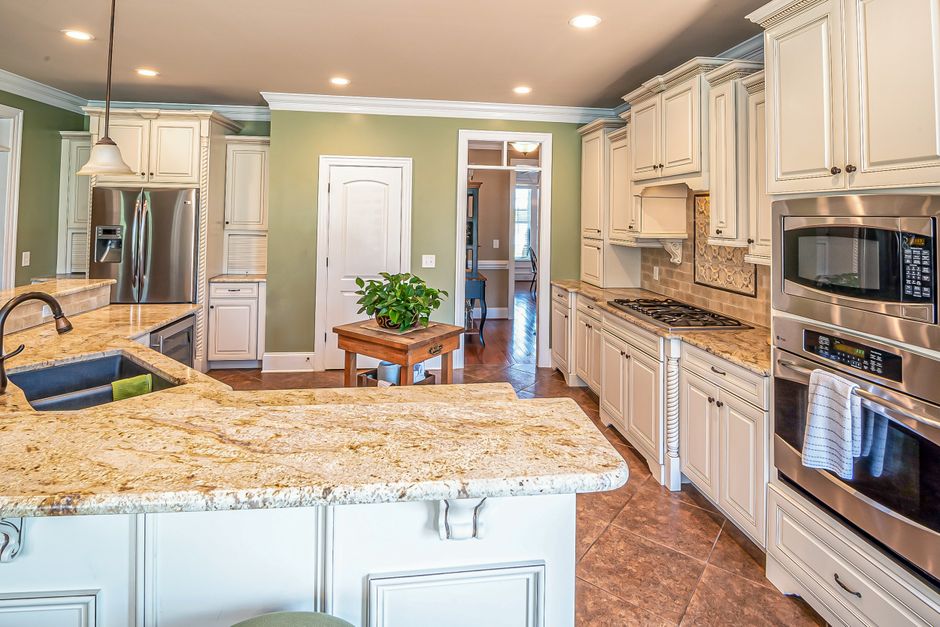
The grit that settles into a joint after a final polish is almost always one component. Every teardown custom countertops rancho cucamonga nimitz museum has logged shows the same thing regarding the volumetric ratio of epoxy resin used during a seam repair. A slab of granite requires a specific depth to width balance to prevent failure under thermal expansion. Achieving stability for a work surface in Rancho Cucamonga, CA depends on the physical math of the void.
Calculating the Volumetric Ratio
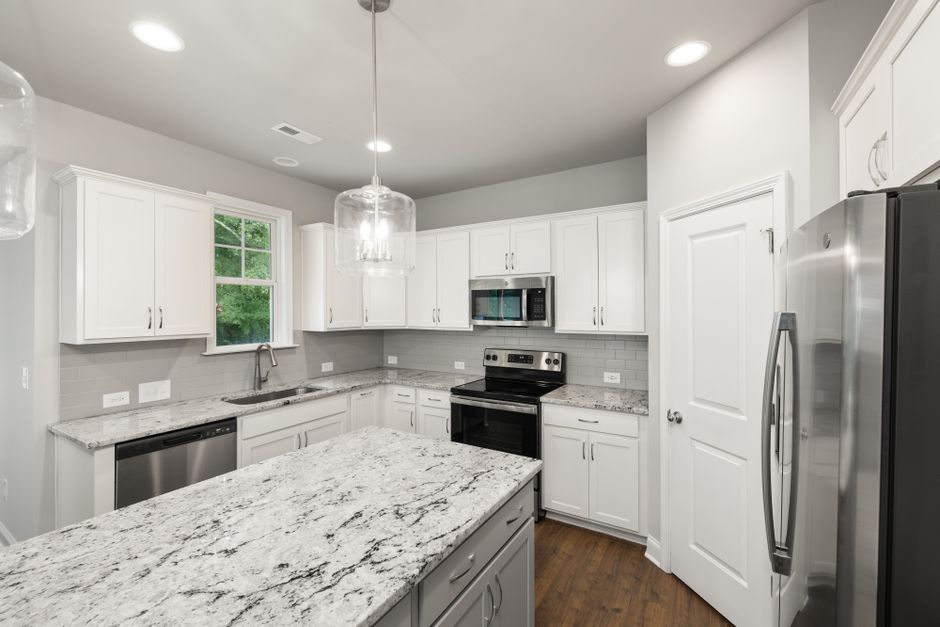
A seam fails when the resin volume is insufficient to fill the depth of the gap relative to the width. If the gap is wide but shallow, too much resin creates a brittle layer that cracks under movement. Conversely, a narrow but deep gap lacks the mass to hold the two pieces of quartz together. The goal is a consistent ratio that allows the epoxy to bond the internal molecular structure of the stone. A thin layer of resin across a wide seam lacks the shear strength required for heavy loads.
Structural Integrity in Natural Stone
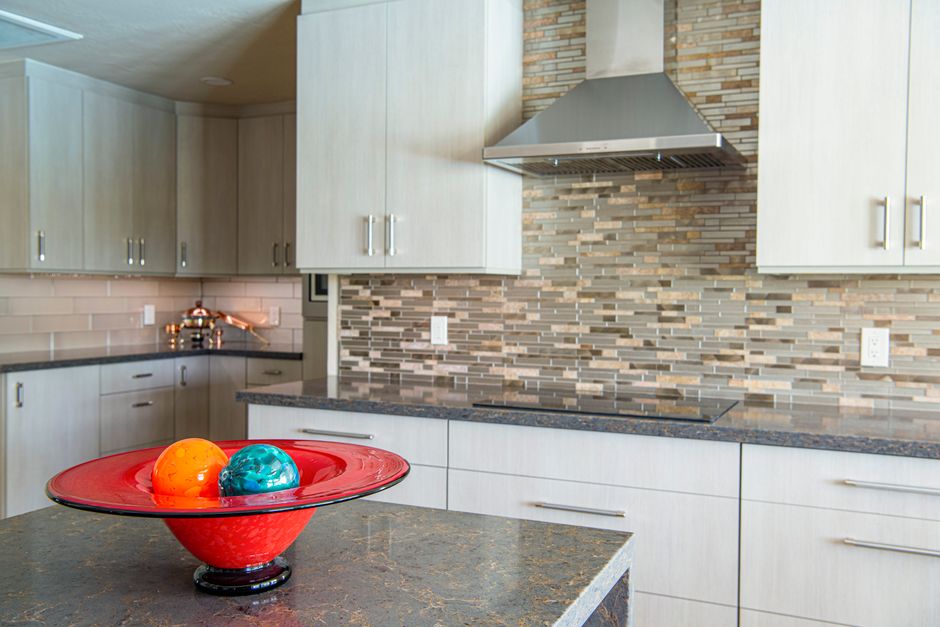
Natural stone like marble or quartzite presents unique challenges because of internal fissures. A seam placement that ignores the depth of the cut will result in a visible line after the first temperature shift. The resin must sit deep enough to anchor into the grain. Using a remnant for a small area requires the same precision as a full slab installation. The thickness of the material dictates the necessary depth of the epoxy pool to ensure the joint remains invisible and structurally sound.
Edge Profiles and Seam Stability
The edge profile of a countertop affects how tension is distributed near the seam. A bullnose or a waterfall edge creates specific stress points where the stone meets the vertical plane. If a sink cutout is located near a seam, the reduction in material mass increases the risk of a fracture. The epoxy must compensate for this loss of surface area. A digital template provides the exact measurements needed to calculate the volume of resin required for a specific gap width.
Managing Material Expansion
Thermal expansion in Rancho Cucamonga, CA causes stone to move. A seam that is too shallow will pop out of the groove during heat cycles. A seam that is too deep might result in excess resin bleeding onto the surface. The ratio must be calculated based on the specific density of the material, whether it is porcelain or soapstone. Precision in the templating phase ensures the gap width is controlled, allowing for a predictable resin depth.